

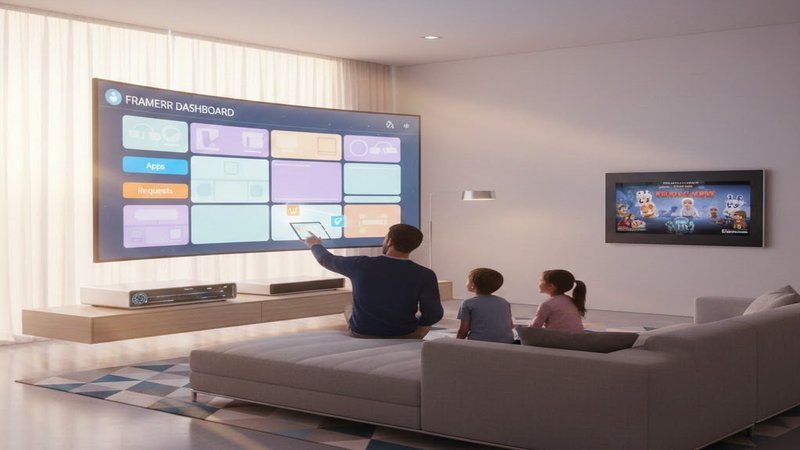
Let’s face it; who doesn’t love a big screen to binge their favorite shows or play the latest games? But as our TVs get bigger, cheaper, and smarter, have we become unwitting participants in a data collection game that’s more Orwellian than Orson Welles?
First off, let’s clear up any confusion: Smart TVs are just your run-of-the-mill television sets with internet capabilities. They connect to Wi-Fi and stream content from various platforms like Netflix, Hulu, or YouTube – all while keeping tabs on what you watch, when you watch it, and how long you watch it for.
But hey, who needs privacy when you’re just catching up on The Office reruns, right? Wrong. Smart TV manufacturers collect this data not only to improve their services but also to sell it to third parties. You read that correctly; your living room companion is spying on you and turning a profit doing so.
Now, we’ve all heard of giants like Facebook and Google hoarding our information, but what about companies like Samsung and LG? They’re quietly collecting data on your viewing habits, device usage, and even location to serve targeted ads and improve their content recommendations. And don’t think that just because you don’t have Roku built-in on your TV, you’re off the hook – many manufacturers collect similar data regardless of the smart platform they use.
But wait, there’s more! Those software updates your TV needs? Yep, they’re a sneaky way to gather even more information about your device performance and usage patterns. It’s like getting a root canal while you’re just trying to enjoy some mindless entertainment.
So, what can we take from this? Smart TVs might be the ultimate in-home surveillance devices, but it doesn’t have to be that way. First, read through your manufacturer’s privacy policy and explore your device settings to see if you can limit data collection or opt-out of certain features.
Second, consider using tools like Pi-hole to block known advertising domains and potentially reduce tracking on your network. And finally, don’t forget that every time you click “Accept” on those lengthy terms and conditions, you’re giving companies the green light to invade your privacy. So, next time a TV asks for permission to track your viewing habits, just remember that you’re not only watching shows – you’re being watched too.
Let’s close this out with a call to action: Share your thoughts on smart TV data collection, comment on the article, or even take steps to protect your privacy. After all, it’s time we took back control of our personal information and put an end to the great TV tracking circus once and for all.









Leave a Reply