
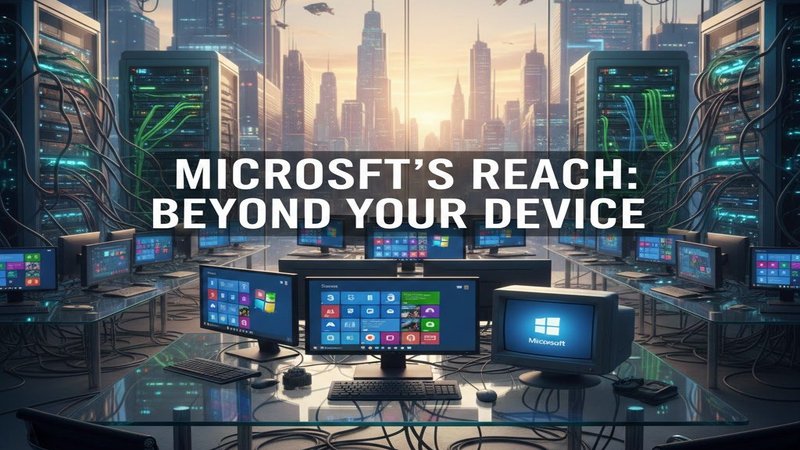
Have you ever felt that your computer was truly yours – a sanctuary where you could install software at will, customize it to your preferences, and know without a shadow of a doubt that your data belonged to you?
Lately, this cherished sense of ownership has been fading away for many of us. Microsoft is aggressively advocating for the implementation of Microsoft accounts on Windows 11 – an initiative that’s no longer just an inconvenience; it’s transforming the way we engage with technology.
This transition isn’t about enhancing the OS; it’s about something far broader. It means Microsoft gains direct access to your digital identity and data usage habits. Even if you have privacy settings, the sheer volume of data is significantly more than before.
What’s at stake?
– A Microsoft account makes it easier for them to gather data on how you utilize the OS.
Loss of control:
– Your device becomes increasingly entwined in Microsoft’s ecosystem, making switching to other operating systems or services more challenging. This creates a sense of vendor lock-in.
– The promise of seamless integration across devices is undermined by concerns over privacy and control.
The Illusion of “Flow”:
– The allure of effortlessly syncing settings and files across devices is questionable when weighed against the sacrifices of our privacy and autonomy.
Microsoft promotes the benefits of cross-device synchronization, but at what cost? Is the convenience worth forfeiting your privacy and control over how you utilize technology?
We’re essentially paying for the operating system with our data. Microsoft’s business model is transitioning towards services, and user data powers that engine. This new reality feels like a giant leap towards eroding privacy, losing control over how we use technology, and ultimately being confined within a single ecosystem.
The Struggle for Local Accounts
Microsoft has been making it progressively difficult to establish a local account on Windows 11, pushing users into a Microsoft account even if they’re not interested. This is the latest step in vendor lock-in.
A Plea for User Agency
We find ourselves at a critical juncture where our computers are becoming data collection points rather than tools we control. The evidence suggests a narrative of eroding privacy, diminished autonomy over technology, and growing dependence on Microsoft’s ecosystem.
Users deserve to determine how they engage with their technology. They should own their devices and data. An OS that respects privacy shouldn’t necessitate user consent for its operations.
Let’s engage in a conversation about this topic! Share your thoughts in the comments below, or if you believe we need to reclaim control over our technology, please share this post with friends and family.










Leave a Reply