
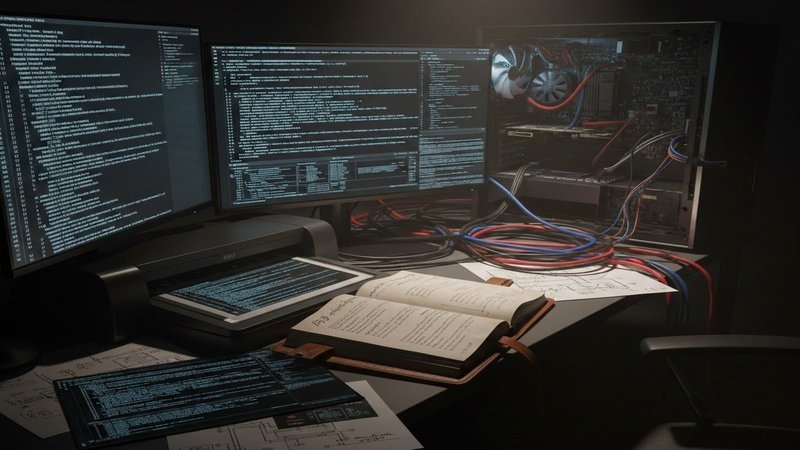
I’m not the only one drowning in a graveyard of note-taking apps, promising clarity but delivering just prettier clutter. The more I try to force my brain into a system, the less it feels like thinking, and the more it feels like performing an endless organizational task. This isn’t about jumping into another system; it’s about asking: “What would it look like if the tool grew out of how I already think?”
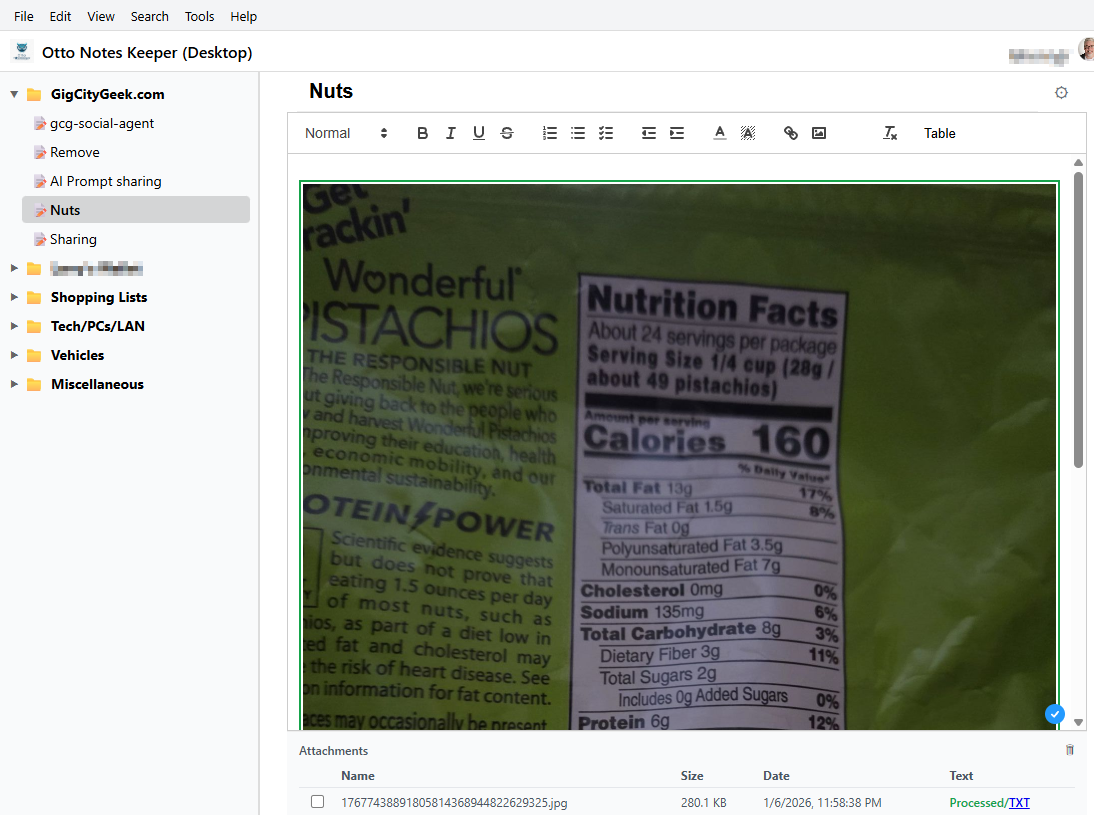
I’ve spent years wrestling with bloated note-taking apps – gorgeous animations, smooth sync, but ultimately hollow. It’s like buying a beautifully crafted wooden box that’s too small, too rigid, and never quite fits. I wanted something I could shape, break, and understand piece by piece.
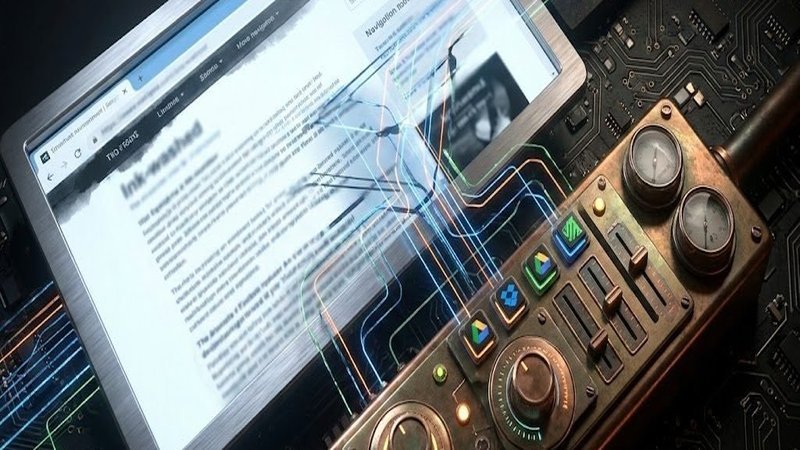
It started with a bad scan. Digitizing an old journal, the OCR turned my handwritten notes into a chaotic soup of half-words and mangled symbols – a stark reminder that the problem isn’t just the technology; it’s how tools see information. They treat everything as data – lines, tokens, database entries – ignoring the crucial context: mood, timing, and the subtle nuances of a thought’s evolution.
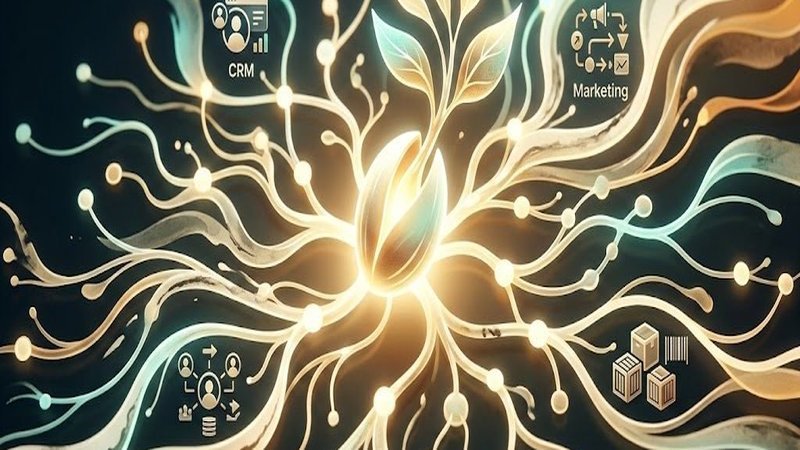
Around that time, I discovered “vibe coding” – building software that aligns with how we think and feel, not just how we store data. Systems that don’t just function, but feel like they belong in your life.
My current project centers around an AI assistant, built to understand my chaotic archive of PDFs, scanned pages, and scribbled notes. I’m feeding it text and dates, tags, and contextual hints. The goal? To ask, “What was I actually thinking about that Peterson project last quarter?” – and get back a summarized memory, not just a list of files.
This assistant isn’t a chatty bot; it’s a thinking engine, indexing my documents with a focus on patterns. I’m teaching it how I write – the slant of my handwriting, the curl of my numbers – to reduce the “ghosts in the machine.”
The result isn’t perfect. It’s janky, held together with duct tape and hope, but it’s mine. It reflects my thoughts in a way that feels familiar. I’ve even hacked together a mobile app, letting the system soak up more of my life as I move through it.
Ultimately, it’s a quiet satisfaction – a sense of building something honest, something that grows alongside my own mind, carrying my rough edges and intentions. It’s a reminder that the best tools aren’t always the prettiest or smartest; they’re the ones you build with your own hand, your own intention, your own vibe.








Leave a Reply