

The tech industry—it’s a relentless hunt for the next shiny thing, isn’t it? And lately, it feels like we’ve been circling the same ideas, just with a slightly glossier finish. With this article, I’m talking about Shotcut, this open-source video editor that’s generating a lot of buzz—“Adobe Premiere pro on steroids,” they’re calling it.
Frankly, after digging into this breakdown, it’s intriguing. It’s not a seismic shift, not by a long shot, but it’s a genuinely solid alternative, particularly if you’re sick of the subscription treadmill and the feeling that Adobe’s subtly controlling your creative process.
A Competitor Worth Considering
Video editing, especially the professional kind, still feels dominated by adobe premiere pro. It’s the established standard, for better or worse. But let’s be honest—the price is a serious hurdle, especially for independent filmmakers, YouTubers, or anyone just starting out. DaVinci Resolve is a strong contender, but it’s a complex beast to master, and Shotcut is proving surprisingly capable. It’s a welcome change of pace.
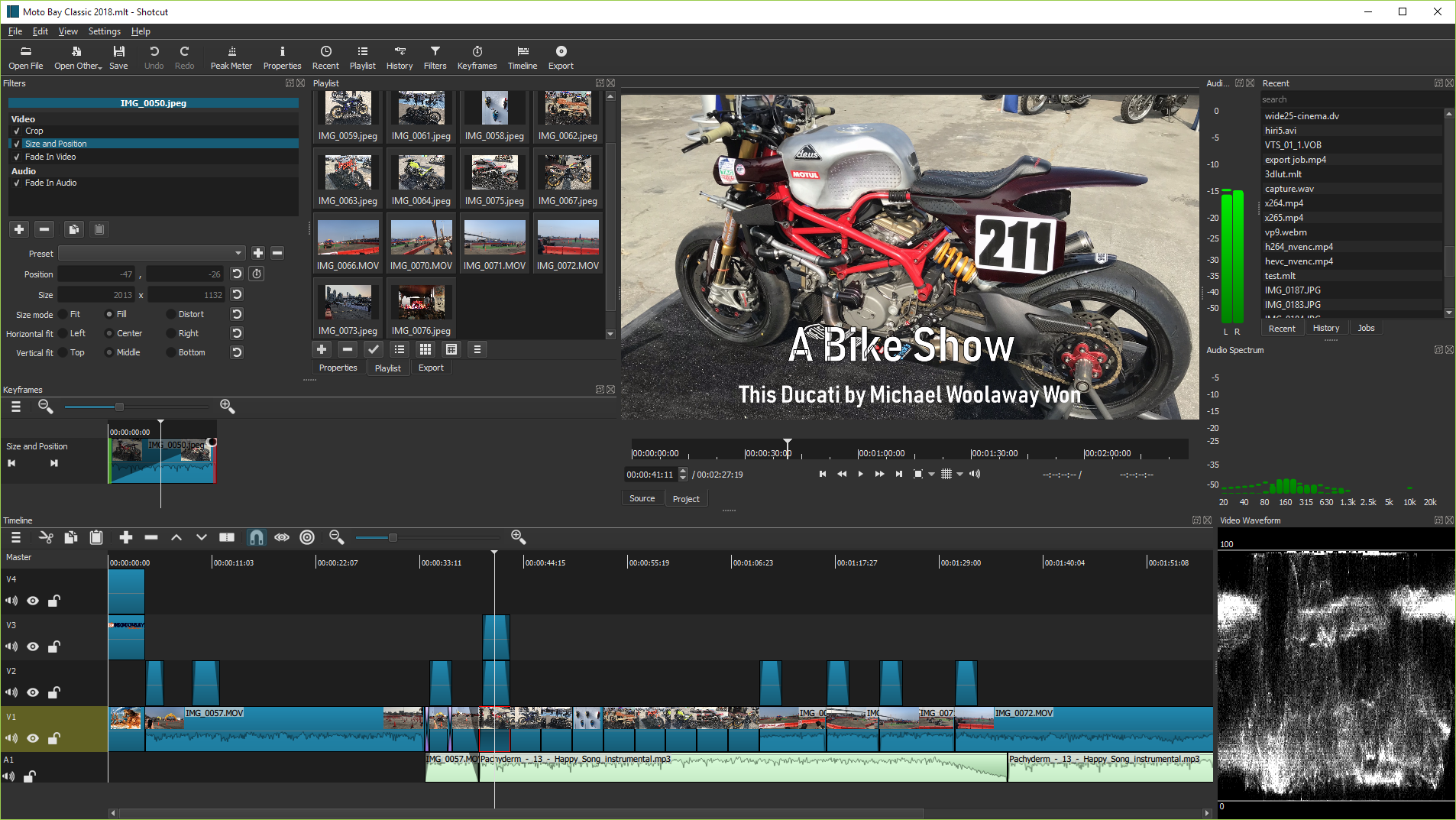
Shotcut is a timeline-based, non-linear editor, and it packs a punch. It boasts multi-track support, proxy editing to tackle massive 4K projects without your computer seizing up, and a surprisingly robust collection of filters and effects—think color grading, keyframing, even some audio engineering tools. It’s not just a glorified trimmer; it’s genuinely equipped to handle complex projects. Seriously, I was editing a 10-minute documentary with layered audio and multiple color grades, and Shotcut didn’t even flinch.
—Actually, strike that—it’s more like Shotcut handled it with surprising grace.
Open Source Advantage
The core difference, and this is crucial, is the openness. Shotcut is developed openly, meaning anyone can contribute, scrutinize the code, and understand exactly what’s happening beneath the surface. There’s no hidden data collection, no sneaky limitations imposed by a corporate giant. It’s a refreshing antidote to the often-opaque world of software. It’s a reminder that you don’t need to shell out a fortune to produce compelling video.
Realism and Limitations
Now, let’s be realistic. Shotcut isn’t going to replace Premiere Pro for every professional workflow. It lacks some of the advanced collaboration features and the sheer polish of the industry standard. You won’t find seamless real-time collaboration or the same level of integration with other Adobe products. But for many—especially those on a budget or who prioritize control and transparency—it’s a game-changer. It’s a powerful demonstration of the potential of open-source—a testament to the idea that you don’t need to pay a premium to create stunning video content.
End of Line…
Ultimately, Shotcut proves that a free, open-source editor can handle serious video work without the cost or restrictions of Adobe Premiere. It offers robust format support, advanced effects and filters, keyframing, and proxy editing—making it a full-featured solution for solo creators and smaller projects. That said, it doesn’t quite match Premiere in every single area.
If you need those collaboration features, more advanced effects, and smoother handling of large projects, you’ll likely find yourself sticking with proprietary tools like Premiere or Resolve. But as far as free editors go, Shotcut stands out. It provides a completely free and transparent editing experience, with a simpler interface too. That’s what we’re aiming to cover with this article.
Now, I’d love to hear your thoughts. Have you experimented with Shotcut? What do you see as its biggest strengths and weaknesses? Let me know in the comments below!







Leave a Reply