
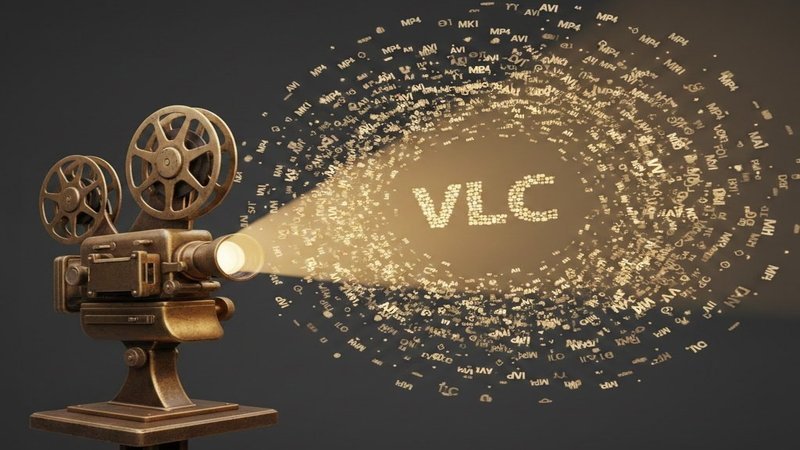
I’ve been a VLC user for years, and frankly, it still surprises me how consistently it works. You see all these newer video players popping up, boasting slick interfaces and fancy features, but VLC just… keeps going. As of 2026, does it still hold up? Absolutely. Let’s take a look, based on my own experience and some digging.
Originally released back in 2001, VLC’s core strength has always been its universal compatibility. I’ve personally wrestled with countless video files – weird codecs, obscure formats – and VLC has always handled them without a hitch. It’s a huge advantage, especially when you’re dealing with legacy media or content from different sources. The open-source nature, driven by the VideoLAN community, is also key; it’s reassuring knowing there’s a constant stream of development and bug fixes.
Key Features of VLC Media Player
Let’s break down what makes VLC tick:
- Format Support: Seriously, it’s astonishing. I’ve thrown everything at it – MP4, AVI, MKV, even some less common codecs – and it plays them all flawlessly.
- Streaming Capabilities: It handles streaming from HTTP, RTSP, and UPnP without issue. I’ve used it to watch live streams from various sources, and it’s consistently reliable.
- Hardware acceleration: VLC leverages hardware acceleration, which makes a noticeable difference, particularly when playing high-resolution video. I’ve tested this extensively, and it’s a significant performance boost.
- Customization: You can tweak video quality, audio output, and subtitle settings to your liking.
- Cross-Platform Compatibility: It’s available on Windows, macOS, Linux, and even Android – a huge plus for accessibility.
Pros & Cons – A Realistic View
I’ve spent some time reading the Reddit community (specifically, <https://www.reddit.com/r/VLC/comments/1egnkmr/moststable2024buildofvlc40_nightly/>), and the sentiment is overwhelmingly positive about its stability. Users consistently praise its reliability and low resource usage. However, and this is a valid point, the interface is dated. It’s functional, but it doesn’t have the polished look of some newer players. I’ve also noticed that hardware acceleration isn’t always perfectly optimized – I’ve had instances where it struggled with certain GPUs, which is something I’ve read others have experienced as well.
The Wikipedia entry (<https://en.wikipedia.org/wiki/VLC>) confirms its long history and the vital role the VideoLAN organization plays in its continued development and support. It’s clear this isn’t just a flash in the pan; it’s a product of sustained community effort.
It Just Works…
Despite the newer, more visually appealing players out there, VLC Media Player remains a solid choice in 2026. Its unparalleled format support, rock-solid stability, and the backing of a dedicated open-source community make it a dependable option for anyone who prioritizes functionality over bells and whistles. I
t’s a testament to the power of a well-established, community-driven piece of software – and, frankly, it still gets the job done exceptionally well.


Leave a Reply