
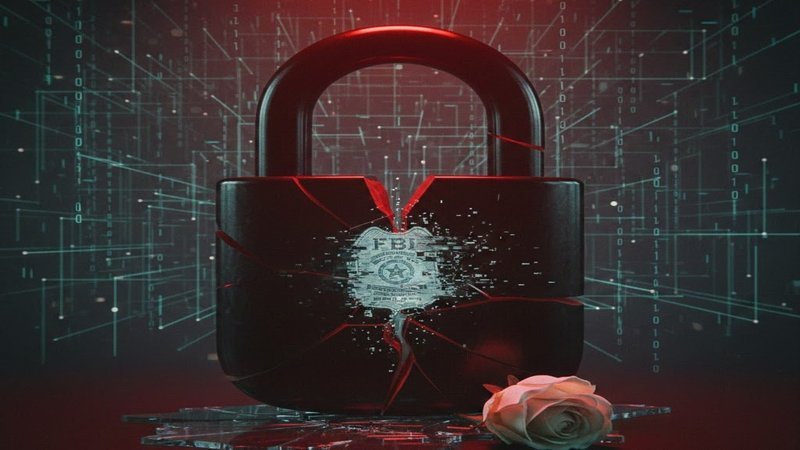
Let’s be blunt: the idea of Microsoft handing the keys to Bitlocker Encryption – the very thing designed to protect your data – to the FBI feels… unsettling. It’s like giving the burglar the key to your safe. Historically, tech companies have positioned themselves as guardians of information, and this move throws that reputation into serious question. The initial reports, and the subsequent confirmation from Microsoft, paint a picture of a significant shift in how our data is handled, and frankly, it’s raising a lot of red flags.
Look, people are expressing genuine distrust. The core issue isn’t just about a single FBI investigation; it’s about the potential for this kind of access to become a routine part of the relationship between users and Microsoft. You want to talk about the legal implications, let’s talk about it – the potential for abuse, the lack of clear oversight, and the fundamental challenge to the concept of digital privacy. People are considering alternatives, and that’s a smart move.
Honestly, the scale of this potential access is what’s truly concerning. The FBI’s justification – that it’s necessary to investigate serious crimes – doesn’t negate the broader implications. It’s a tool, and tools can be misused. And the fact that Microsoft is seemingly open to providing this key to anyone who asks… well, that’s a problem.
Let’s step back for a moment. Remember when everyone was worried about dial-up internet speeds? It felt like the world was moving at a snail’s pace, and the idea of instant access to information was revolutionary. Now, we’re dealing with encryption, data security, and governments demanding access to our most private data.
It’s a completely different paradigm, and it’s forcing us to confront some uncomfortable questions about the balance between security, privacy, and the role of government. This isn’t just about Windows PCs; it’s about the future of digital trust.
The reaction has been swift and, frankly, predictable. Cybersecurity experts are raising alarms, privacy advocates are mobilizing, and tech companies are scrambling to respond. The shift isn’t just about the FBI; it’s about the precedent being set. If Microsoft can provide a universal key to law enforcement, what’s to stop other governments or agencies from doing the same? This has huge implications for digital sovereignty and the control users have over their own data.
Microsoft’s actions have undeniably highlighted the importance of data sovereignty and user trust. It’s a clear signal that users are willing to switch platforms if they don’t feel confident in how their data is handled. The rise in interest in operating systems like Linux, coupled with the increased use of self-hosted solutions and privacy-focused software, demonstrates a clear trend. People are actively seeking control over their data, and Microsoft’s decision is accelerating that movement.
As of this writing, several linux distributions are actively embracing the shift away from Microsoft’s dominance and the associated privacy concerns. Distributions like Debian, Ubuntu, and Fedora have strong communities and are consistently updated with security features. Furthermore, the open-source nature of Linux allows for greater transparency and control over data – a key factor driving the interest among users wary of Microsoft’s approach. Would you like me to elaborate on any specific distributions or the reasons behind their popularity in this context?
The broader implications are clear: users are losing trust in major tech companies and their willingness to safeguard user data. This is driving a fundamental shift in the tech landscape, and it’s something to watch closely.











Leave a Reply