
Imagine you finally pay off your car, only for the dealership to remotely disable your air conditioning because you dared to buy tires from Costco instead of their “official” $800-per-rubber-circle boutique. It sounds insane, right? But this is kind of what’s happening in the tech world now.
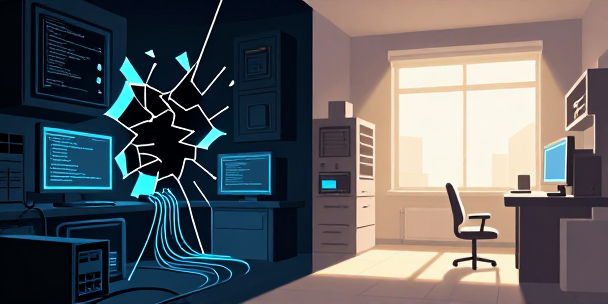
We’re living in an era where you don’t actually own the hardware on your desk; you’re just a long-term tenant, waiting for the landlord – in this case, a company – to change the locks. Seriously.
If you’ve been wondering why your tech-savvy friends are currently losing their minds over a black plastic box called a “NAS,” buckle up. We’re diving into this messy divorce between Synology and its most loyal fans. It’s… complicated.
The “Synology Tax” and the Great HDD Lockdown
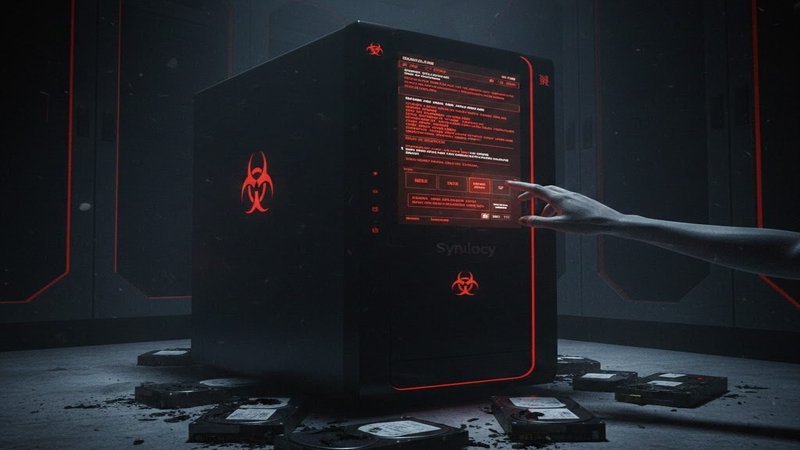
For years, Synology was the gold standard for home and small business servers. They were the “Apple of NAS” – great software, sleek design, and it just worked. But in 2025, they decided to go full “Company Store.” They started implementing software blocks that essentially told users: “If you don’t buy our branded hard drives (which are just rebranded Toshibas marked up by 60%), we’re going to hobble your machine.” It’s a weird thing to see, honestly.
We’re talking about persistent “danger” warnings, disabling health-check features, and even blocking users from setting up their storage pools. It wasn’t about “quality” – since the drives people wanted to use were often higher-spec enterprise units – it was about a naked grab for your wallet. While they’ve partially backtracked on some models due to a massive public outcry, the trust is gone.
The message was clear: your hardware belongs to them.
Hardware Stagnation Meets the New Challengers
While Synology was busy trying to build a walled garden, they forgot to actually improve the garden. Their 2025 hardware specs looked like something from a 2021 time capsule. Enter the “UGreen Effect.” It’s a funny name, but it’s what happened.
New players like UGREEN and Asustor smelled blood in the water. They started releasing units with faster processors and 10GbE networking for a fraction of the price. This has triggered a massive “Great Migration.”
If you hop on Facebook Marketplace right now, it looks like a digital graveyard of used Synology units. People are offloading their old gear to fund their move to platforms that don’t treat them like a recurring revenue stream.
The Rise of the “AI NAS” and the Cloud Exodus
So, why is there a sudden uptick in NAS purchases despite all this drama? It’s two-fold: Privacy and “Cloud Fatigue.” People are tired of sending their private family photos to Google or Apple just to use facial recognition.
New NAS units run these AI models locally. Your data stays in your house, and no giant corporation is using your vacation photos to train their next robot. It’s a relief, honestly.
The “right to repair” Battleground
This isn’t just a nerd fight over hard drives; it’s a legal battleground. Synology’s tactics are the digital equivalent of “tie-in sales,” which are generally illegal. They are testing the limits of how much they can restrict your hardware before “Right to Repair” laws kick their teeth in.
The community has responded with custom scripts and “hacks” just to use the drives they want, turning a simple storage device into a game of cat-and-mouse between users and the manufacturer. It’s… frustrating.
Let’s Close This Out With…
What can we take from this? If there’s anything I can apply to this situation, it’s that brand loyalty is a trap. Synology thought they were too big to fail and that their users were too locked into their software to leave. They were wrong. The massive uptick in the used market and the surge in competitors like UGREEN proves that when you treat your customers like a captive audience, they will eventually find the exit.
I will end with saying this: The “General Public” wins here in the long run. Competition is finally forcing innovation in a stagnant market. If you’re looking for a NAS, don’t just buy the name brand – look at the specs, check the “lock-in” policies, and remember that you should own your data, not rent it.
What do you think? Are you staying with the “proven” software of the big guys, or are you jumping ship to the new hardware challengers? Drop a comment below and let’s argue about it.
Seriously, I’m curious.










Leave a Reply