
I just wrote an article about this, but my brain is still grinding with FOX-ROKU merger news. It is odd how tweaking a custom local network setup sparks a sudden realization about how little control we actually have over our own living rooms. Now, the corporate overloads are tightening the screws because Fox Corp. has announced an agreement to buy streaming pioneer Roku in a massive deal worth a total of $22 billion. Yeah, , Roku; the one that started out with the giro remote so you could play Angry Birds.
If you thought your smart TV interface was cluttered and frustrating before, brace yourself. The media giants have officially decided that your television isn’t an appliance anymore, but rather a corporate ad-delivery vehicle that happens to display a picture.
The Illusion of Free Media
The mainstream coverage will surely spin this as a massive win for your wallet, pointing directly to the expansion of Free Ad-supported Streaming TV (FAST). Fox already owns Tubi, and combining that library with The Roku Channel’s 3% share of U.S. streaming viewership creates a massive ecosystem of content.
However, “free” in modern tech is always a trap.
Instead of a clean, user-first interface, expect your home screen to become a digital billboard pushing Fox-owned properties. You can look forward to unskippable promotional loops and endless commercial noise designed to keep you trapped inside a single ideological ecosystem.
The Death of Gatekeeper Neutrality
Previously, Roku’s entire appeal was that it acted as a completely neutral gateway.
It didn’t care if you watched Netflix, YouTube, or Prime Video, acting as an open highway to get you to your destination.
That neutrality is officially dead.
Furthermore, when a media conglomerate controls the actual operating system of 100 million households, they control the algorithmic curation of reality. They don’t need to explicitly ban competing networks; they can just bury rival apps behind complex sub-menus or weaponize distribution disputes by charging massive carriage fees to choke out independent voices.
Weapons-Grade Consumer Tracking
The most alarming aspect of this buyout isn’t the interface degradation, but rather the explicit acquisition of Roku’s customer data.
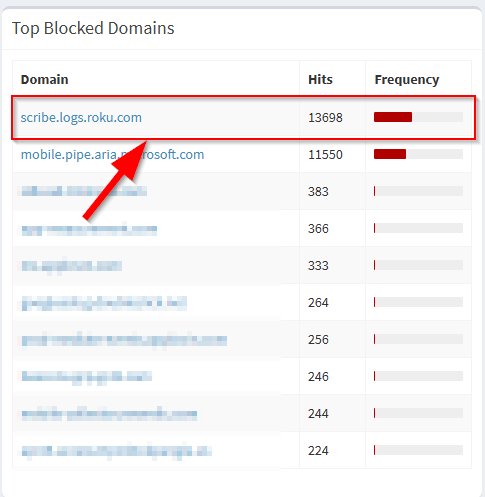
Roku tracks exactly what you watch, how long you stay on a screen, and what your local viewing habits look like down to your specific zip code.
Fusing that granular household data with a massive broadcasting apparatus creates an incredibly potent tool for behavioral profiling.
Therefore, your television is no longer just tracking your favorite sitcoms. It is actively feeding a data machine capable of targeting households with precise, narrative-driven political messaging right ahead of major election cycles.
Let’s Close This Out With a Reality Check
If there is anything I can apply to this situation, it is that tech news is no longer separate from political reality.
This acquisition is a definitive loss for the consumer, proving that the hardware we buy is no longer entirely under our control.
We are moving away from an open digital ecosystem and sprinting toward a consolidated corporate landscape where a handful of gatekeepers decide what we get to see.
What are your thoughts on this buyout, and are you planning to jump ship to an open-source alternative? Drop a comment below, share this with a fellow cord-cutter, and let me know how you plan to protect your digital domain.
Your television isn’t watching programs anymore; it’s watching you.


Leave a Reply