
Read Time: 2 min.
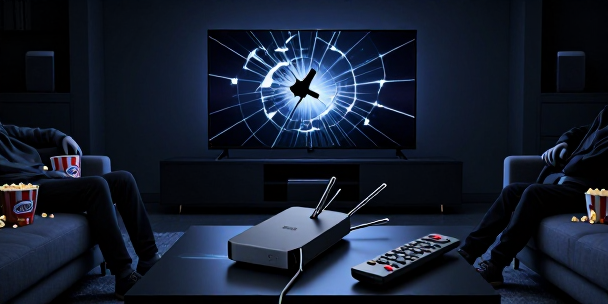
Nobody expects a routine app update to ruin movie night, but that’s exactly what happened when istheamazonfirestickupdateso/” target=”blank” rel=”noopener noreferrer”>Firestick users. Within hours, community discussions lit up with complaints about lagging menus, frozen intro skips, and broken autoplay features. When four distinct perspectives—a frustrated daily viewer, a dev-minded pragmatist, a software historian, and a user who just wants things plain and simple—sat down to digest the thread, the conversation quickly revealed why this update feels like such a major turning point.
Why Is Moving Backward Called Progress
For the daily streamer, the frustration comes down to broken basic functionality. The update stripped away intuitive
What used to take a single click on a remote control now demands navigating through a sluggish UI.
When someone spends over a decade building a curated plexnewexperienceonfirestick/” target=”blank” rel=”noopener noreferrer”>software breakdown.
Maybe They Just Wanted One Codebase
Looking at it from a tofirestickforplexseeking/” target=”blank” rel=”noopener noreferrer”>Roku, Fire TV, plexnewexperienceonfirestick/” target=”blank” rel=”noopener noreferrer”>Android TV creates an immense amount of technical debt and maintenance overhead.
The critical flaw in that strategy is hardware optimization.
When you force a heavy, unified interface onto low-powered hardware like a streaming stick, resource bottlenecks turn a standard software consolidation into a sluggish user experience.
We Have Definitely Seen This Movie Before
To understand why this pattern keeps repeating, you have to look at where Plex started. Trace its history back to its roots as a community-driven fork of XBMC, and you see an app originally designed strictly for local media playback. Over the last decade, the platform pivoted toward ad-supported free streaming, centralizing user interfaces to highlight external content alongside self-hosted media.
This Firestick backlash isn’t a new phenomenon either.
Roku owners went through an almost identical UI overhaul and performance headache over a year ago.
Every time the platform pushes toward a unified, commercial layout, local media enthusiasts feel sidelined.
So What Are We Supposed To Do Now
When you strip away the tech talk and development theory, the situation is straightforward. The front door to everyone’s personal media collection got cluttered and hard to open.
Because of that, people are finding their own side entrances.
Some users are turning off auto-updates and sideloading older, reliable APK builds back onto their devices.
Others are migrating to third-party clients like Plezy, which bypass the official bloat and connect directly to the existing server.
If official updates keep making simple playback harder, community alternatives are going to keep taking over.


Leave a Reply