From Chaos to Order: My Tech Audit

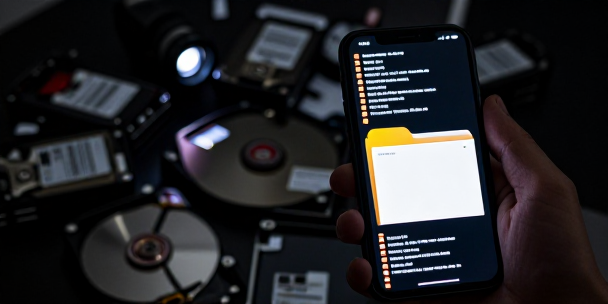
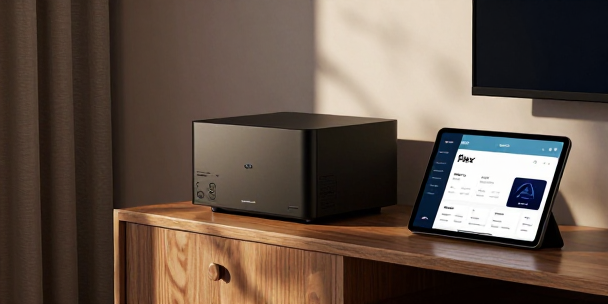
Read Time: 1.5 min.I was recently auditing my own downloads directory at my desk and realized that being attracted to tech can be a double-edged sword. You spend years hoarding media across half a dozen mismatched hard drives, telling yourself that you will organize it next weekend. Instead, the files just pile up with names like raw rip version two final. Eventually, you end up with a digital junk drawer that only an algorithmic parsing engine could love. My local setup used to rely heavily on standard indexers to make sense of that absolute mess. It worked fine for a while because the software didn’t care about my lack of structural discipline. Then I decided to shift toward a cleaner, more independent environment. The high cost of sloppy habits That is when the house of cards completely collapsed. The new platform demanded strict compliance, beautiful folders, and exact naming conventions or it simply refused to cooperate. My son immediately complained because his gaming rig couldn’t pull the files he wanted to watch. The old patchwork of scripts I tried to throw at the problem completely choked under the sheer volume of data. Renaming tens of thousands of media files by hand was obviously a non-starter. But leaving things broken meant dealing with constant domestic tech friction. A smarter way to build the stack Fortunately, someone else got tired of the exact same nonsense and built a specialized Go tool called Plex2Jellyfin to automate the migration. It runs a single massive pass over a messy multi-drive library to rename and reorganize everything until the new ecosystem is perfectly happy. Because it uses a daemon to watch the directories in real time, it handles future downloads automatically without relying on clunky cron jobs. It even integrates a local Ollama instance as a fallback parser when standard expressions fail. Smart automation beats manual labor every single day of the week. Keeping the digital house clean Now the backend processes run quietly in the background without making me babysit the terminal. Even my wife noticed the difference because the media library actually updates correctly without throwing a fit over a misspelled title. It is amazing what you find in your storage array when you actually force your data to behave. The transition wasn’t entirely painless, but the long-term stability is worth the initial headache. Hoarding data is only fun when you can actually find it.





Leave a Reply