LLMs and the Arms Race: A Distraction?


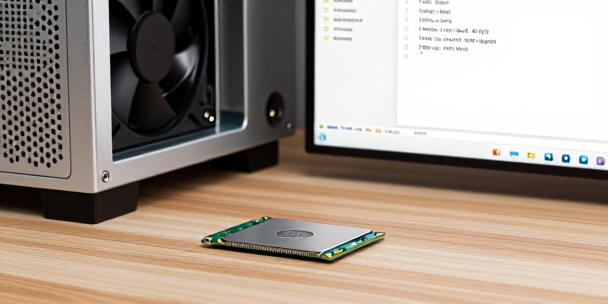
Read Time: 2.5 min.Folks, let’s be honest – the relentless stream of new, bigger, faster RLHF thing. It sounds fancy, but it boils down to humans telling these models what’s “okay” to say. And that’s where it gets… weird. Because who decides what’s “okay”? The people doing the testing? The companies funding the research? It’s a feedback loop built on their biases, their assumptions, their idea of what’s acceptable. It’s like handing a toddler a loaded gun and saying, “Here, kid, learn about responsibility.” The Ryzen 9 with 64GB of RAM and a 1TB drive – just to run these things. It’s a serious investment. But the real story here isn’t just about the hardware. It’s about the scale. These models are consuming insane amounts of energy, training data, and computing power. And a lot of that is going into optimizing for the next flashy demo, not necessarily solving real-world problems. My son, the PC Gamer, would wax lyrical about the VRAM, but I’m thinking, “Are we actually solving anything, or just building bigger, faster sandcastles?” The Public Cost: A Slow Erosion of Trust Here’s the thing that keeps me up at night: we’re training these models on everything. Every conversation, every piece of text, every image. It’s a massive, uncurated dataset, and we’re essentially letting misinformation, manipulation, and the erosion of critical thinking. It’s a subtle shift, but it’s happening. And frankly, it’s terrifying. The illusion of intelligence is far more dangerous than actual stupidity. The Race to the Bottom: Efficiency vs. Substance The pressure to release faster, more capable models is driving a dangerous trend: a focus on speed over quality. Companies are prioritizing raw performance metrics – like ethical considerations. It’s like a race to the bottom, where everyone’s trying to outdo each other with ever-more-complex algorithms, without actually addressing the fundamental questions about the impact of these technologies on society. It’s a classic tech story: innovation for innovation’s sake. A Brief Aside: The Data Problem (Because We Need to Talk About It) Let’s be clear: the entire system is built on data. And the data we’re feeding these models is, by its very nature, biased. It reflects the inequalities and prejudices of the world around us. Training an AI on a dataset that predominantly represents one demographic, for example, will inevitably lead to a system that perpetuates and even amplifies those biases. It’s not a bug; it’s a feature – a feature that’s actively shaping our future. A Note on “Progress”; I’m not saying AI is inherently bad. It can be incredibly useful – for automating tasks, generating creative content, and accelerating research. But we need to be incredibly careful. We need to demand accountability, and a genuine commitment to ethical development. We need to ask ourselves: who benefits from this technology, and who is being left behind?











Leave a Reply