NVIDIA’s Bold Move: Acquiring Hugging Face Deepens OS AI Monopoly

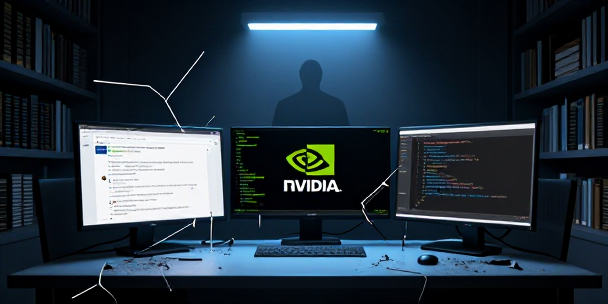
Read Time: 2 min.Sitting at my desk late at night, staring at forum threads while my mini rig hums in the corner, I am telling you that, to say this: the Nvidia is moving to acquire llama.cpp and the GGML library in the process. Buying the market, one repo at a time If you think this is just a routine tech acquisition, you haven’t been paying attention to how monopolies operate. We have seen this exact playbook before with Sun Microsystems taking over MySQL, or Oracle squeezing the life out of Java. A dominant player buys up the open ecosystem, promises to respect the community, and then slowly turns the screws. And why wouldn’t they? Nvidia has zero financial incentive to keep Vulkan optimization running smoothly on competing hardware. And sure, proponents will claim that deep corporate pockets mean better funding, dedicated engineering hours, and faster CUDA developments for local inference. They want us to believe that having full-time salaries for core maintainers is a win for the ecosystem. And maybe the current code remains MIT licensed today, but control of the primary repository and future roadmaps now sits firmly in a corporate boardroom. A heavy tax on the local scene The tech tax we pay for self-hosting isn’t just power consumption—it is the constant threat of enshittification. When one company controls the silicon, the model hub, and the runtime engine used to execute those models, you don’t have an open ecosystem anymore. You have a walled garden with a nice coat of green paint. My son already spends half his time complaining about ridiculous paywalls in his games, and now the adult tech landscape is sliding right into the exact same greedy trap. Forking as a way of life And what happens when non-NVIDIA patches start getting slow-walked or quietly ignored under the guise of code review? The optimistic take is that the community will simply fork the project and carry on under a new name like llibre.cpp. But relying on exhausted volunteers to constantly fight off a trillion-dollar Goliath is a terrible long-term strategy for open software. And let’s be entirely honest about what is happening here. Nvidia isn’t spending billions to champion open source out of the goodness of their hearts. They are buying up the competition, neutralizing alternative hardware paths, and ensuring that every single layer of the local AI stack routes right back to their proprietary hardware. And if you think this ends well for consumer choice or open innovation, I have a bridge to sell you.










Leave a Reply