
I still remember the first time I watched a demo where a language model struggled to keep track of a paragraph longer than a tweet, its eyes glazing over as the compute bill rose like a skyscraper in my mind.
It felt like watching a sports car stuck in first gear, all that potential idling while the fuel gauge screamed.
The Compute Problem
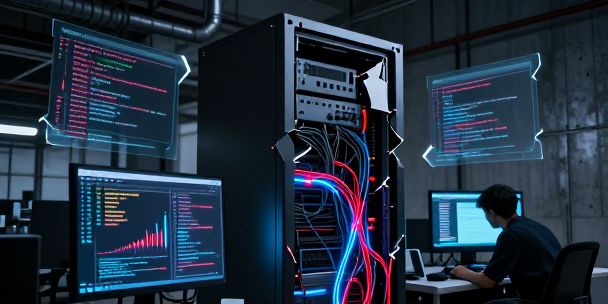
We’ve all been told that bigger models need more power, more GPUs, more electricity, and that the only way to push the frontier is to throw more silicon at it.
That assumption has turned data centers into small power plants and made cutting‑edge AI a luxury only the deepest pockets can afford.
Enter Subquadratic
Then came a whisper from a lab that claimed they could bend the curve.
They said their new architecture could handle twelve million tokens—roughly the length of a small novel—using almost a thousand times less attention compute than the usual transformer.
At first I thought it was a typo, a misplaced decimal, but the numbers kept showing up in the benchmarks.
What 12 Million Tokens Really Means
Imagine being able to feed an entire research paper, a legal contract, or a season’s worth of chat logs into a model without it losing the thread.
It means the AI can remember the beginning of a story while it’s still writing the end, without needing to chunk and re‑chunk the input.
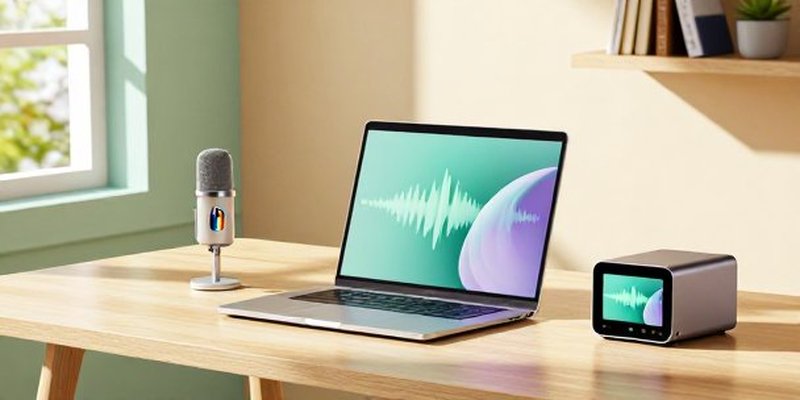
In practical terms, a laptop could now run analyses that previously required a rack of servers.
Why This Changes Everyday Tech
For developers, the barrier to experimenting with long‑context applications drops dramatically—think of building a personal assistant that truly recalls your entire conversation history.
For educators, a single model could grade a stack of essays while remembering each student’s earlier drafts for nuanced feedback.
Even hobbyists could tinker with code generation that spans multiple files without hitting a memory wall.
Bringing It Home
I’ve spent years waiting for the day when AI wouldn’t feel like a gas‑guzzling monster hogging the outlet in the corner of my garage.
Now, hearing that twelve million tokens can be processed with a fraction of the energy, I feel a genuine spark of optimism—not because the tech is perfect, but because it finally listens to the constraints we all live with.
The takeaway isn’t just about raw numbers; it’s about accessibility, about letting more people build, experiment, and solve problems without needing a data center on standby.
If we keep steering breakthroughs like this toward real‑world use, the next wave of AI might actually fit on our desks, our laps, and even our phones—ready to help, not to hog the power bill.



Leave a Reply