
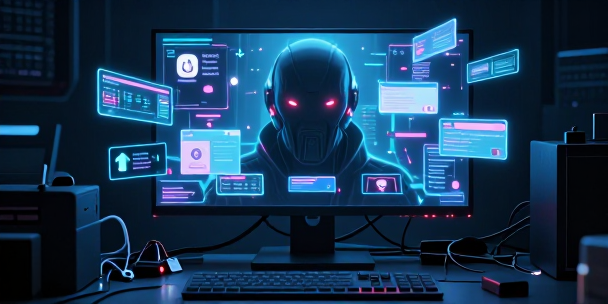
I recall back when buying a computer monitor meant plugging in a power cable, a display lead, and pushing the power button. A display was a dumb piece of glass that did what it was told, showing the pixels your graphics card spat out without talking back. Technology hobbying used to be a clean pursuit, but nowadays the technology tax is something you live with every single day. You spend hours configuring modular local layouts and locking down network gates just to keep the peace. Then you plug in a new display panel and watch the ecosystem actively work against you.
The Glass Is Watching Back
I was messing with my desk setup the other day, rerouting some cables on the mini rig I use for testing. Windows pulled down the standard display profiles, which is normally fine.
The system decided that plugging in a monitor meant I also desperately needed a antivirus trial advertisements right after the desktop loaded.
Just Let Me Have Dumb Hardware
We have reached a point where you cannot even trust a literal monitor to not install software on your machine. Peripheral companies are abusing the Windows driver staging infrastructure to inject marketing tools directly into the operating system.
They hide behind the excuse of enhanced user experiences and convenient control panels. The reality is much simpler.
They want a direct line to your desktop environment to monetize your eyeballs long after you hand over your cash. They are packaging these AppLocker using the specific publisher certificate string and the exact package name of the installer wrapper.
I set the rule to deny execution for everyone, and it finally blocked the background utility from reinstalling itself on the next system startup. Manually triggering a store installation afterward failed completely, which means the block actually holds.
The Endless Telemetry Whack A Mole
This entire experience highlights how exhausting modern system administration has become for regular enthusiasts. You buy a piece of hardware, and instead of enjoying the performance, you immediately have to audit the outbound connections.
You spend your free time hunting down hidden startup entries and blocking corporate diagnostics because the default behavior assumes you want the bloatware.
It makes you miss the days when hardware boundaries were absolute and a screen was just a screen.





Leave a Reply