Jellyfin: Shifting to Open-Source Media Servers


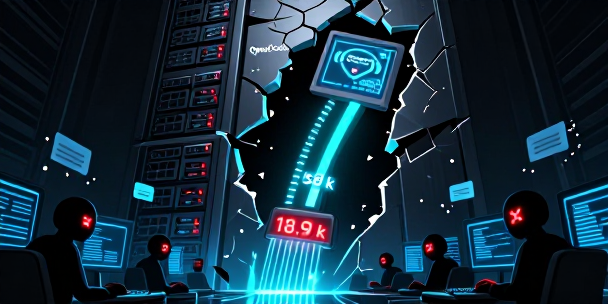
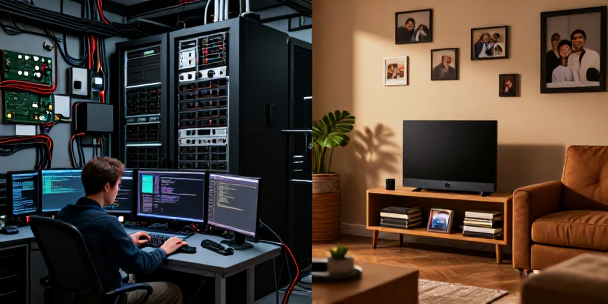
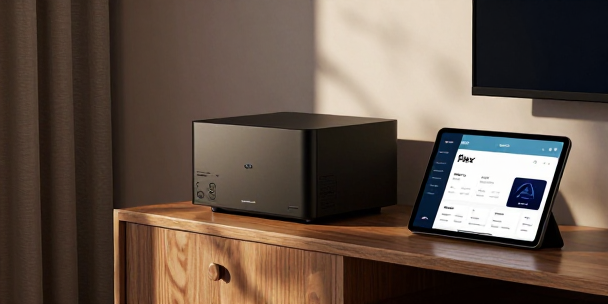
Read Time: 2 min.It is odd how article inspiration strikes when you are just cleaning up local storage. I was looking through my downloads folder at my desk last night, clearing out old Docker compose files and network templates, when I realized how much the landscape has shifted. The forums are buzzing with a massive migration wave right now. Everyone seems to be jumping ship from the old guard of media servers to community-driven, open-source alternatives. This specific conversation is blowing up across places like the r/jellyfin subreddit, and for good reason. People are finally hitting a breaking point with platforms that force cloud dependencies onto local hardware. The Cost of Renting Your Own Rig The core issue comes down to a glaring net negative for the tech-focused crowd. Imagine paying a premium subscription fee just to stream your own files on your own network. It feels entirely backwards to buy a solid graphics card for hardware transcoding, only to have a corporation lock that feature behind a paywall. Furthermore, requiring an external internet connection just to authenticate a stream in your own living room is a recipe for friction. Because of this corporate gatekeeping, a lot of home lab enthusiasts are waking up to the reality of software enshittification. When Home Streaming Just Works Switching over to a completely free, open-source model changes the entire dynamic at home. In my house, running everything locally means the server never tries to phone home to a distant corporate mothership. The software runs incredibly light on resources, handles hardware encoding natively, and respects data privacy out of the box. Even my son, who usually only cares about frame rates and maximizing his gaming bandwidth, has not noticed a single stutter since the migration. It turns out that removing heavy tracking metrics and forced ad-supported streaming menus makes the whole ecosystem faster. Cutting Ties with the Mothership There is a massive peace of mind that comes with total network ownership. My wife can stream what she wants without navigating through a mountain of algorithmic recommendations we never asked for. If the main internet connection drops on our block, the local media keeps playing without a single hiccup. Granted, setting up secure external access takes a little more manual networking configuration on the back end. However, the payoff is that nobody else has access to our household metadata. True ownership means you control the user access, the encryption, and the data footprint. The Open Source Victory Lap This massive migration trend is a net positive for the broader self-hosting community. When dominant commercial options get greedy and bury core features behind payment screens, the open-source community steps up and innovates rapidly. We are seeing a sudden explosion of excellent third-party clients and custom media layouts, partly fueled by the rising accessibility of vibe coding tools. Writers and developers are customizing their own setups exactly how they want them without asking for corporate permission. The writing is on the wall for platforms that try to monetize your own hard drives. Vote with your data and host it yourself.





Leave a Reply