

Do you recall the glorious chaos of the 1990s browser wars, when downloading a single image felt like a high-stakes infrastructure project? Previously, Netscape and Internet Explorer fought for the soul of the internet, but at least they had the decency to just let us browse the web without trying to manage our investment portfolios. Fast forward to today, and your software has mutated into an over-engineered corporate billboard. While I was doing some light browsing the other day, it struck me funny how we’ve somehow normalized software that actively fights against the user.
The Sixty-Dollar Config Toggle
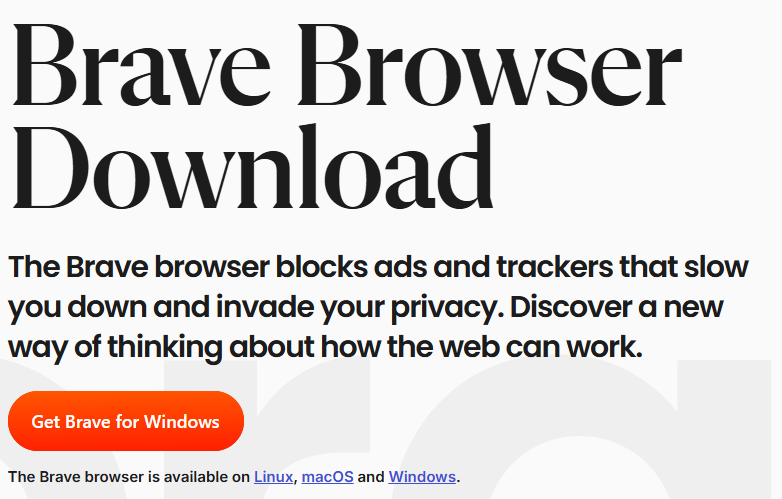
Brave Software is apparently convinced you miss the tech landscape of 1995, because they just announced a paid version called Brave Origin. This shiny new tier strips away the crypto wallets, AI sidebars, and VPN pop-ups they spent years shoving into the standard build.
The punchline to this digital joke is that it costs a one-time fee of $59.99 US.
Consequently, a company built on the righteous crusade of protecting you from corporate bloat is now charging a premium to protect you from their own corporate bloat. It is the software equivalent of a restaurant dropping dirt into your salad and demanding an extra ten bucks for the “dirt-free protocol.”
The Ultimate Commodity Problem
Furthermore, this strategy completely ignores how human beings actually interact with technology. Nobody is in love with a web browser; it is an invisible utility, not a destination. You tolerate the extortionate pricing of Adobe Creative Cloud or Microsoft Outlook because they hold your entire workflow hostage with proprietary file formats and deep enterprise lock-in.
Conversely, the switching cost for a browser is precisely zero. Modern platforms like Brave, Edge, and Chrome all run on the exact same open-source Chromium engine. If a browser puts a sixty-dollar velvet rope around its settings menu, a user loses absolutely nothing by moving three inches to the left to download an identical free alternative.
The Impending GitHub Spite Fork
Worse yet, Brave’s core demographic isn’t grandmas who think the internet is an icon on a desktop. They are targeting a hyper-technical, privacy-conscious audience that eats corporate monetization strategies for breakfast.
Predictably, the community on Reddit has already pointed out a massive loophole in this business plan. Almost every single piece of bloat being removed in this paid tier can already be turned off for free using basic configuration toggles or enterprise group policies.
Therefore, by trying to monetize a clean UI, Brave has effectively handed the open-source community a blueprint for a rebellion. When you alienate tech-savvy users, they don’t open their wallets; they open GitHub to build a free workaround out of pure spite.
Let’s close this out with the harsh reality of where this leaves the general public. This move is an absolute disaster for Brave’s reputation because it effectively signals that the standard, free browser is officially being designated as a garbage dump for corporate monetization experiments. When extensions like uBlock Origin exist for free, paying sixty dollars to flip a few software switches is a losing proposition.
What say you? Is Brave completely out of touch, or do you actually enjoy paying corporations to stop annoying you? Drop your thoughts in the comments, share this with your favorite tech geek, and let’s talk about it.
If you charge people money just to turn off your own bad decisions, someone else will always write the code to do it for free.











Leave a Reply