
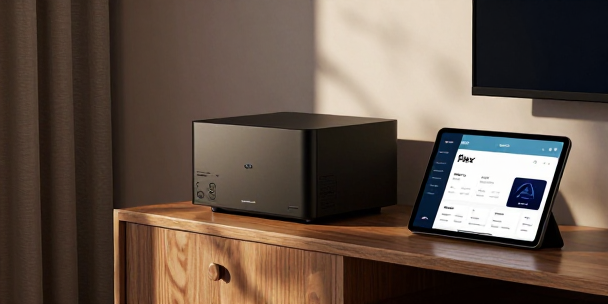
Software starts with passionate volunteers, gathers a huge user base, slowly pushes central accounts and monetization, and inevitably triggers a massive community migration.It is a predictable circle of life in the self-hosted world.
This Stuff Is Getting Too Annoying To Manage
If you strip away the technical arguments on the forums, the real choice comes down to how much weekend time you want to burn on maintenance.
Plex functions like a turnkey rental. You turn the key, send a quick remote invite to my son, and he is watching a movie in two minutes without complaining about port forwarding.Jellyfin feels more like building a custom house. You get total control over every config file and privacy lock, but the moment dynamic range transcoding glitches or remote access drops, you are the unpaid IT guy fixing it at midnight.
Running Both Saves Me The Headache
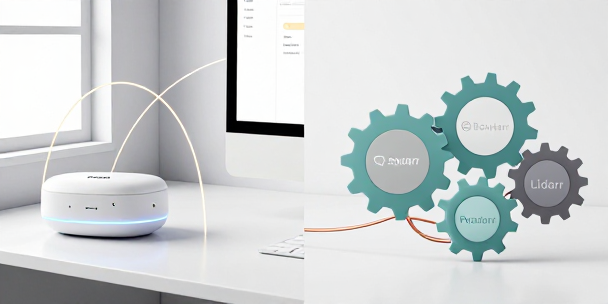
That brings us to the smartest move floating around recent forum threads. Stop treating your media server like a sports team you have to pledge lifelong loyalty to.Because both servers simply index the exact same folder storage on my NAS, there is zero reason you cannot run them side by side on one machine.
I spun up a Jellyfin instance right alongside my main Plex setup last month to test things out. It took about ten minutes to map the existing media directories.
Stop Fighting And Just Double Up
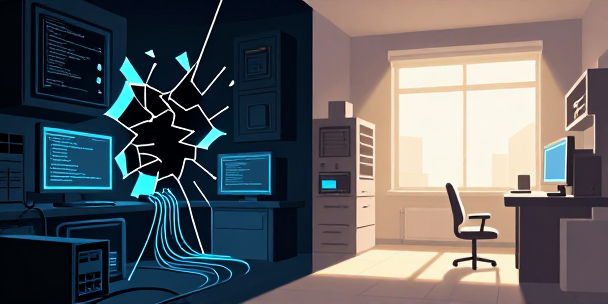
Now I let my son stick with the polished Plex app on his phone so I do not have to walk him through manual server IP entries. Meanwhile, I use Jellyfin on the main TV to test local playback performance and bypass central auth servers entirely.If a central authentication outage knocks Plex offline on a Friday night, I just open the Jellyfin client and keep watching.







Leave a Reply