The Human Link Breaks First: Cybersecurity in a Post-Scan World


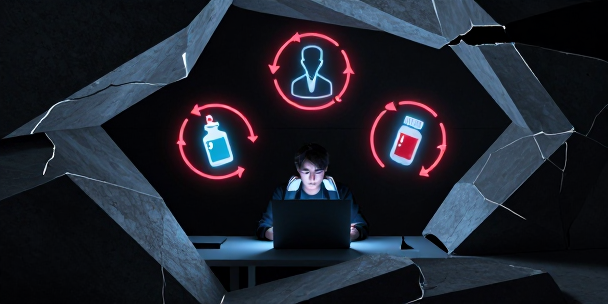
Read Time: 1.5 min. Looking at recent breach headlines on r/cybersecurity, it feels like paying a regular tax on just living online. I recall back when keeping a system clean meant running an antivirus scan on Saturday morning and keeping your network cables tucked out of the way. I’m telling you that, to say this: watching groups like ShinyHunters cut through massive corporate defenses today feels less like high-tech wizardry and more like a recurring comedy of simple errors. The human link breaks first Corporate security teams like to buy shiny turnkey platforms, stack zero-trust software, and set up continuous monitoring. But the attack vectors ShinyHunters relies on aren’t magic zero-day exploits hidden deep in source code. They just call up a tired helpdesk worker or phish an employee who handles customer data. Offense only needs to hit one open door, while defense has to lock every single window 24 hours a day. It turns out people are still the weakest link in the chain. My wife constantly asks why she needs three different authenticator apps just to check a utility bill, and honestly, the friction is real. But when end-users or support staff get fatigued by constant alerts, they approve MFA prompts or hand over password resets without thinking twice. Forgotten lessons from yesterday’s breaches We have seen this script play out for decades. Remember the Target breach back in 2013 (Fazio Mechanical Services)? That entire incident started through a compromised HVAC vendor. Years later, we saw similar patterns with software supply chains like Log4j and Heartbleed. The industry keeps making the exact same mistakes. Companies expand their digital footprint, acquire other businesses, and leave decades of legacy data sitting on flat, poorly segmented networks. They hoard customer files they do not need, using third-party customer service tools with broad access rights. When attackers compromise one low-level SaaS tool, they instantly get the keys to the entire vault. Why the public keeps losing Some security folks argue that publicizing these breaches pushes companies to patch flaws faster. But for the average person whose data lands on Have I Been Pwned every three months, there is zero upside. The defense strategy at most enterprise firms isn’t built to prevent your data from leaking. It’s built to pass a yearly compliance audit and buy enough insurance to cover the legal fallout. When a group can systematically poke at SaaS integrations until a single helpdesk staff member slips up, the whole security model is fundamentally broken. Until companies prioritize strict network segmentation and stop hoarding decades of unencrypted customer records, the public is just left holding the bag.







Leave a Reply