
Every single major technology wave follows the exact same predictable trajectory before it finally matures. We initially welcome a massive explosion of exciting new tools with open arms because they promise to completely eliminate the tedious friction of our daily workflows. However, the initial thrill of instant creation always gives way to a deeper realization about the fundamental quality of what we are actually building.
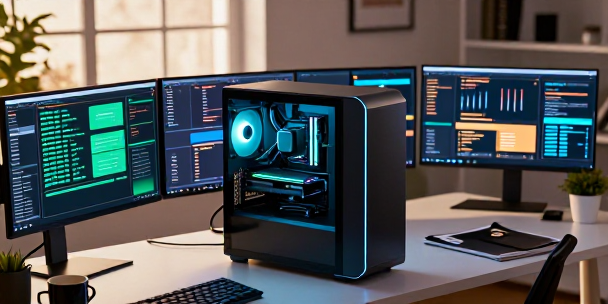
I was sitting at my desk this evening, reviewing a few automated deployment scripts on my mini rig, when the broader reality of this pattern really started to sink in.
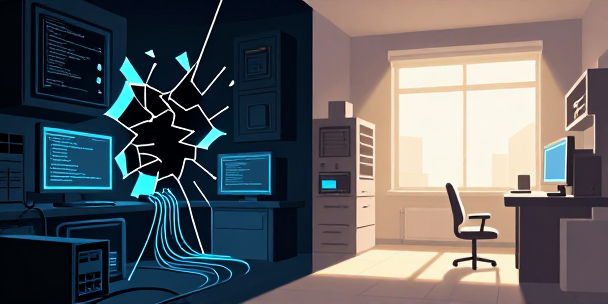
This sudden, massive wave of completely automated application development is turning out to be an absolute net negative for long-term platform stability.
The sudden flood of experimental clients
The open-source community is currently witnessing an unprecedented influx of beautifully designed desktop interfaces, and ParallaxTV is the latest one to spark a massive debate. I was browsing the web today and uncovered a staggering number of brand-new repositories that seemingly appeared out of thin air overnight. A single enthusiastic creator with a natural language prompt engine can now spin up a gorgeous, fully functioning Tauri and React user interface in less than a single afternoon.
The resulting layout looks incredibly polished to the untrained eye, easily mimicking the work of a massive enterprise engineering team.
But a glossy digital coat of paint often hides a completely hollow structural foundation.
The true household friction of instant engineering
My wife ran into severe tech friction earlier tonight when a highly praised, freshly dropped media client completely locked up her playback stream right during the climax of a movie. My son has also been complaining bitterly from his gaming setup because these unvetted background tools keep causing major latency spikes across our local storage network. When applications are built without a deep, foundational understanding of memory management or native MPV player optimization, the end user is the one who ultimately pays the price.
Therefore, the initial excitement of getting a flashy new interface operational on your hardware quickly curdles into pure maintenance frustration.
A machine learning model can easily mimic standard code, but it cannot inherently understand the complex nuances of real-world troubleshooting.
Sifting through the automated repository slop
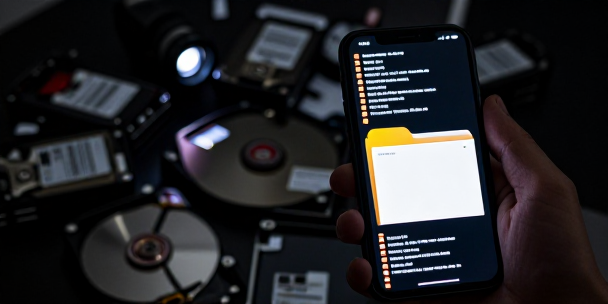
The hobbyist spaces are becoming completely choked with experimental passion projects that are abandoned the absolute second the initial novelty wears off. Once the casual creator realizes that maintaining software requires thousands of hours of tedious bug testing rather than instant internet fame, they simply disappear. This leaves our shared ecosystem littered with thousands of half-broken repositories that will never receive a single security update or structural patch.
Consequently, we have to become significantly more diligent about auditing what we pull down to our private infrastructure.
True craftmanship requires an actual human commitment to the long-term health of the code.
Demanding accountability in the modern stack
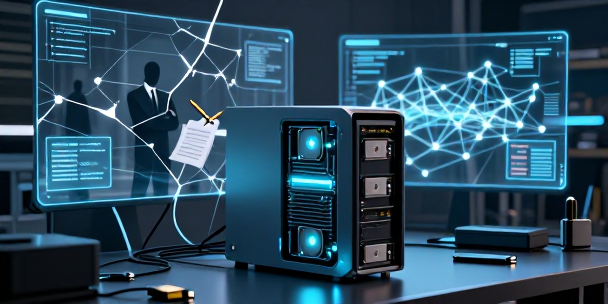
We desperately need a major shift in how we evaluate independent software before we blindly install it on our personal machines. Knowing whether a tool was meticulously crafted by an experienced engineer or spat out by a machine model allows us to accurately gauge the actual security risk. I strongly prefer to know exactly who wrote the logic interacting with my private libraries before I let it touch a single network switch.
Otherwise, we are just voluntarily turning our hard-earned home servers into unstable digital dumping grounds.
Never trade your long-term network security for a slightly trendier playback menu.



Leave a Reply