

I recall back when picking up a cheap streaming device meant plugging it in and forgetting about it for five years. You hooked it up, navigated a dead-simple menu, and watched your show without a single banner ad begging for attention.
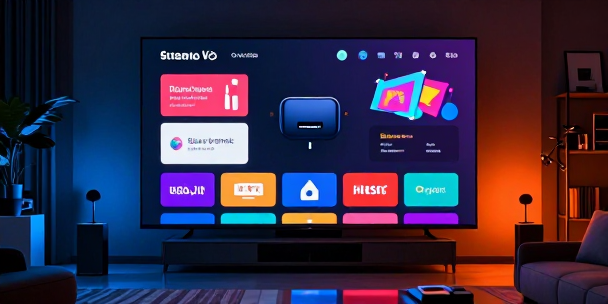
Now, every firmware update feels like an invasive home invasion, transforming clean home screens into dynamic ad networks. The slow slide toward total monetization on consumer hardware is a relentless tax on our patience.
They Swapped Simple For A Billboard
My setup in the living room used to be pristine, but the latest update completely shattered that peace.
The device now bypasses local network settings by reaching out over encrypted channels to pull dynamic promo banners every time the UI loads. If you try to catch those requests at the network level, the unit simply falls back to hardcoded public resolvers like Google or Cloudflare.
To shut down that side-channel traffic, you have to drop outgoing connections on port 443 for known DNS-over-HTTPS providers while blocking port 53 and port 853 for foreign resolvers on your router. Forcing all outbound traffic through a local sinkhole is the only way to stop the hardware from ignoring your local rules.
Blackholes And Regex Gymnastics
Fixing the actual home screen requires getting surgical with regex patterns in your local DNS resolver.
Blocking generic ad trackers is no longer enough because promo assets get slipstreamed into the same delivery pipelines as legit channel metadata. You have to write regex rules targeting domains like lat-services.api.data.roku.com or austin.sb.roku.com while explicitly whitelisting essential endpoints such as api2.sr.roku.com and screen-builder-assets.web.roku.com.
I spent two hours yesterday testing these exact host rules at my desk after my wife complained that the UI re-rendered into ugly empty wireframes. If you block too aggressively without whitelisting those core builder assets, third-party apps like Sling or Hulu lock up instantly or fail app integrity checks during startup.
Segregating The Hardware Stack
Isolating the device entirely on its own network segment gives you a safer playground for aggressive filtering without disturbing the rest of the household.
Setting up an isolated IoT VLAN on an OpenWrt router lets you apply draconian DNS blocklists like HaGeZi SmartTV or Perflyst without worrying about breaking work laptops. You can redirect every rogue port 53 query directly back to your local sinkhole while keeping standard family traffic on a clean, unmonitored path.
Another offline option is factory resetting the box and refusing the initial network setup altogether, effectively turning it into a dumb display toggle for external players.
Reclaiming Control Or Moving On
At a certain point, maintaining custom firewall rules and regex whitelists feels like working an unpaid shift just to watch a movie.
Transitioning to hardware that respects local boundaries is usually the ultimate cure. Switching to an Apple TV eliminates home screen banner bloat entirely, while setting up an open-source media rig running Jellyfin gives you total sovereignty over your living room display.
Stripping away forced telemetry takes continuous maintenance, but keeping a clean setup remains worth every bit of extra effort.












Leave a Reply