TVDB: A Public Community Wiki vs. Commercial Data Source

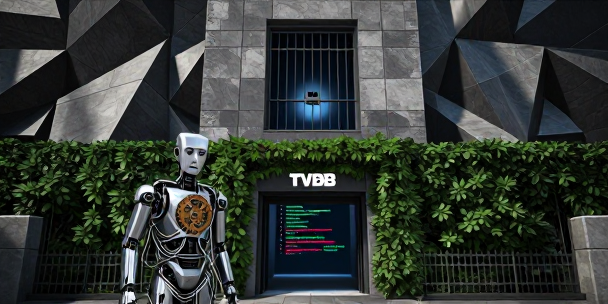
Read Time: 2 min. The technology tax is something you live with every day, but sometimes the bill comes in the mail and it still makes you want to throw your hands out the window. Sitting at my desk late last night, tweaking my local media setup, I ran face-first into the eternal metadata wall. Anyone maintaining a home server knows the drill: you just want your show titles organized cleanly, but instead you end up spending two hours untangling why a single pilot episode got mislabeled as a special feature. Sonarr relies on The TVDB to organize television content, and if you take a trip through r/sonarr, you quickly realize the entire self-hosted community is fed up with it. TVDB is serving industry execs, not you The core of the problem comes down to who the database is actually built for. We treat TVDB like a public community wiki, but it operates as a commercial data source for television production networks. When networks pay the bills, the database structure bends to match corporate filing decisions rather than how normal people watch television. And if you try to fix a mistake? Good luck. Community members report getting shut down by power-tripping moderators who lock entries, refuse reasonable corrections, or delete entire series entries overnight without warning. We have seen this exact software lock-in before This pattern isn’t new. Cast your mind back to CDDB in the late nineties. It started as a free, user-contributed database for CD metadata, only to lock its data behind proprietary licensing once it became the default standard. The moment a single database becomes an infrastructure bottleneck, users get stuck dealing with bad data and zero leverage to fix it. Why switching databases isn’t as simple as clicking a button To understand why Sonarr doesn’t just switch to alternative databases like TMDB, you have to look under the hood. TMDB tracks show release dates by the day, but completely ignores airtimes. If your automation software relies on precise release timing to parse downloads, losing airtime data breaks automated filtering entirely. Sonarr also uses its own intermediate caching layer, Skyhook, to prevent millions of user homelabs from crashing third-party API servers with constant requests. Rewriting that entire middle layer takes massive development effort. A complete mess for home media setups This ecosystem rigidity directly harms everyday users who just want their media libraries to function. When database maintainers force arbitrary season numbering or move episodes into specials, automated downloaders fetch the wrong files or overwrite existing media. And my wife certainly doesn’t want a lecture on API rate limits or database schema conflicts when the TV show she asked for isn’t showing up in the living room library. We are stuck relying on a locked-down, corporate-facing database because the software tools we use built their whole foundation around it. Until media management software decouples from single data sources and gives users direct control over their metadata providers, we will keep paying this unnecessary time tax on our own hardware.






Leave a Reply