

It’s odd how working with local development environments sparks a sudden realization of just how much corporate tech debt we tolerate until someone slashes the price. For years, setting up a seamless Linux container workflow on Windows meant downloading Docker Desktop, clicking “agree” on a massive terms-of-service update, and watching your RAM silently cry itself to sleep. You just accepted it because it was the industry tax.
But Microsoft’s latest move to bake native container support directly into Windows 11 feels like a calculated, quiet execution of a competitor that got a little too comfortable with its enterprise invoice.
The Enterprise Extortion Trap
Let’s be honest about why we are even having this conversation. Docker Desktop used to be the universally loved, friction-free darling of the local dev world.
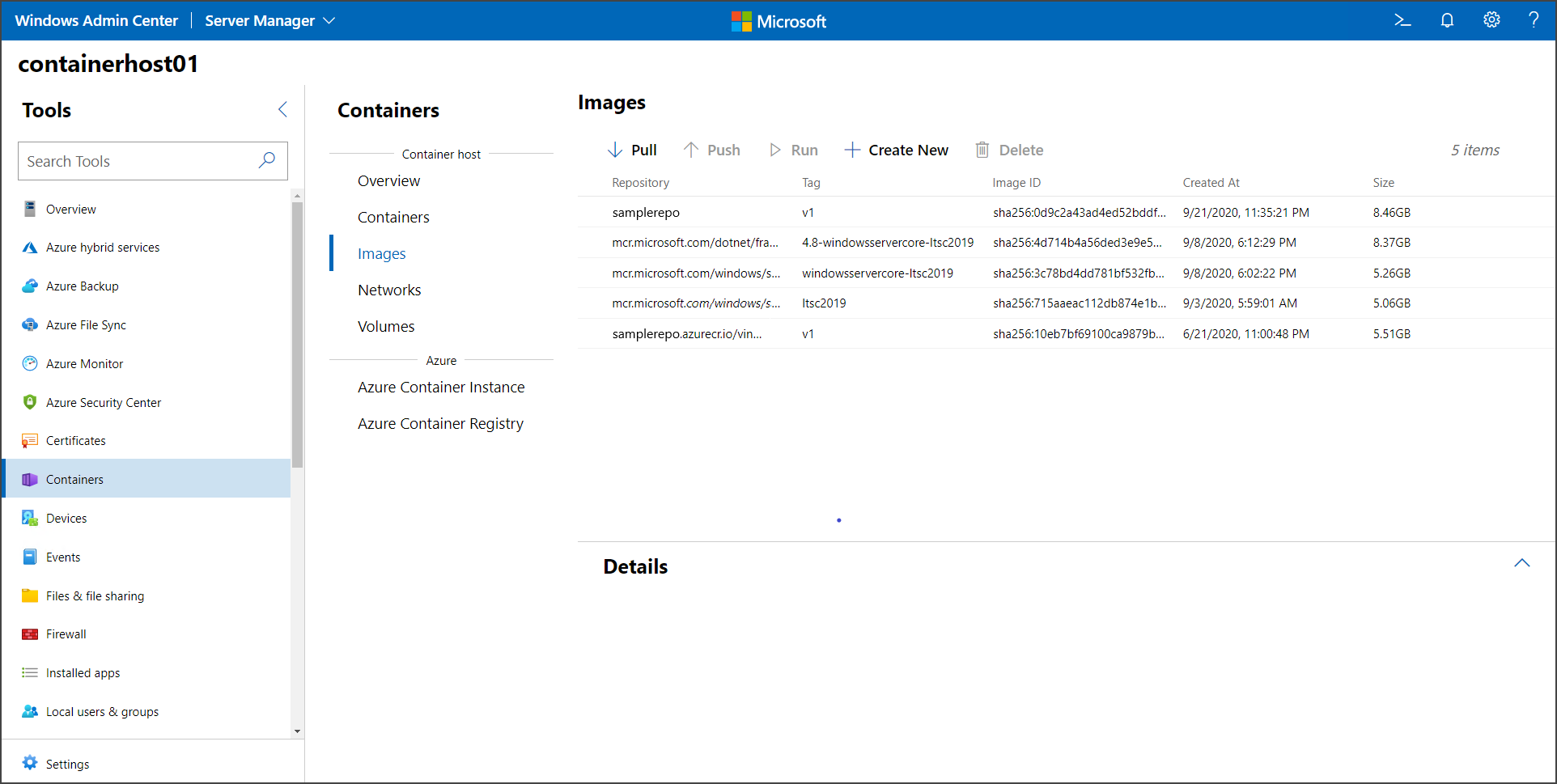
Then the corporate suits stepped in and locked the door behind a mandatory per-user subscription fee for any company with more than 250 employees. Suddenly, developers weren’t just users; they were line items on an IT procurement budget that required three levels of managerial approval just to spin up a local PostgreSQL instance.
Microsoft’s Classic Murder Playbook
If you think this native WSL container feature is just an innocent engineering upgrade, you clearly didn’t live through the ’90s.
Previously, a thriving third-party company would build a fantastic utility—like WinZip or Netscape Navigator—and charge a reasonable fee for it. Microsoft would watch, smile, copy the core functionality, and embed it directly into the Windows operating system for the low, low price of absolutely free.
They literally destroyed the standalone ZIP compression market overnight by treating archives like regular file folders. This isn’t a new strategy; it’s a time-tested corporate homicide mechanism wrapped in a shiny new Windows 11 update wrapper.
The Immediate Fallout
Docker Desktop isn’t going to vanish from the face of the earth by tomorrow morning, mostly because macOS developers still need a virtualization bridge to survive.
However, corporate finance departments are about to start asking incredibly uncomfortable questions during quarterly budget reviews. When a CTO realizes their massive fleet of Windows-using developers can build firmware and run unit tests natively without paying a single dollar in external licensing fees, that Docker subscription renewal format is going straight into the recycling bin.
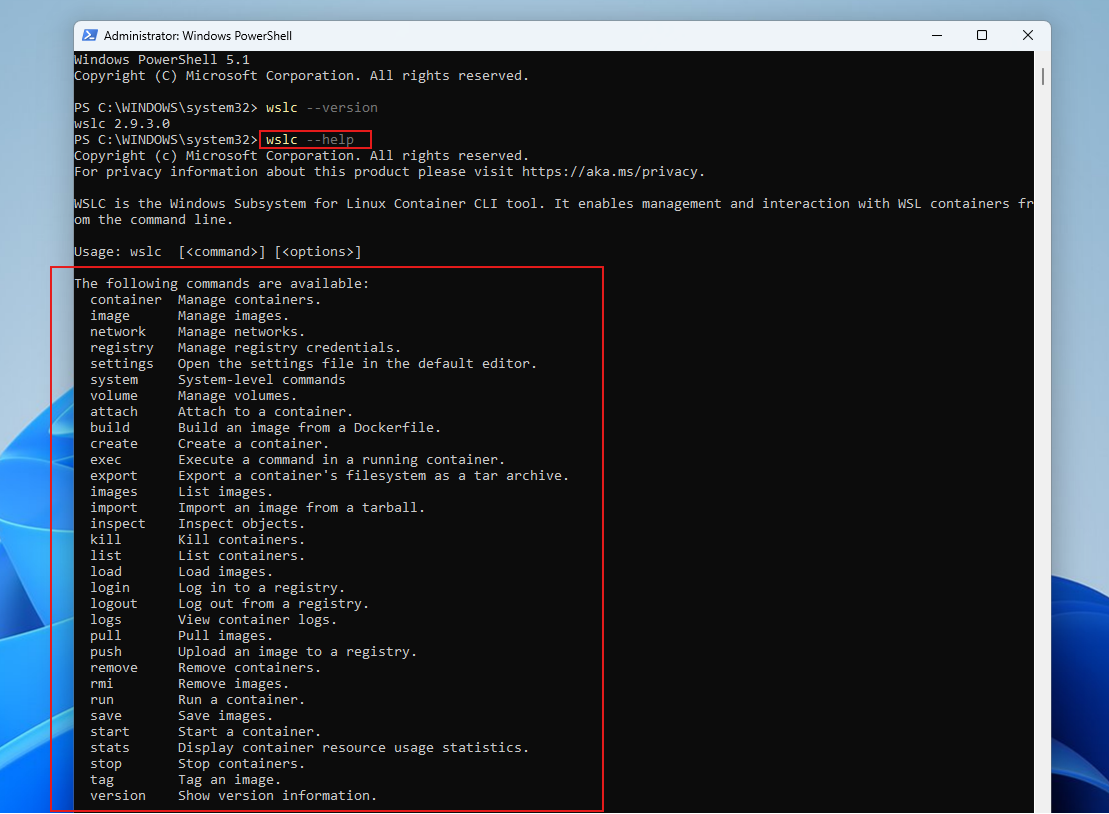
The resource-hogging middleware GUI suddenly looks a lot less attractive when the operating system does the exact same job silently in the background.
What Can We Take From This?
Let’s close this out with the brutal reality of the tech ecosystem: convenience and cost will always defeat a third-party application once the platform owner decides to care. This move is fantastic for the average developer who just wants to code without a subscription paywall, but it’s an absolute death knell for Docker’s long-term enterprise dominance on the Windows side of the aisle. The frog is officially in the pot, and Microsoft just turned the burner up to high.
What do you think—are you dumping the desktop app for native WSL, or are you clinging to the GUI until IT forces your hand? Drop your thoughts in the comments and let me know if you’re ready to cut the cord.
The tech giants always give you a tool for free right before they lock you inside their sandbox forever.















Leave a Reply