

I recall back when setting up local text inference meant compiling source files on a loud desktop tower just to get three words a second. My desk currently has a Ryzen 7 machine that does okay with small models, but hitting the limits of thirty-two gigabytes of standard system RAM happens fast when you want to run something heavy. I ended up spending weeks tweaking bare-metal installations of llama.cpp to squeeze every drop of performance out of a modest GPU.
Then the RAM bottleneck ruined the fun.
You simply cannot fit a seventy-billion parameter model into a standard consumer desktop without the system grinding to a complete halt.
Finally someone else figured out the unified memory trick
The hardware landscape completely shifted when AMD dropped the Ryzen AI Max series. These Strix Halo chips are basically a direct attack on the Mac Studio architecture. They use a massive two hundred and fifty-six bit memory bus that shares up to one hundred and twenty-eight gigabytes of fast system memory directly with the graphics cores.

This changes how we think about hosting local services.
We no longer have to pay the steep Apple tax just to get high-bandwidth memory.
My son is going to lose his mind when he sees the frame rates
My son walked in yesterday while I was running a local copy of the new Gemma three instruct model using a custom batch script. He saw the text flying across the screen and immediately started asking if we could use the same integrated graphics architecture to host a dedicated high-bandwidth game server. I told him we could run the entire game server and a massive local neural network at the same time on a single tiny box.
The sheer efficiency of these mobile architectures is staggering.
A system that used to pull six hundred watts from the wall now runs on less than eighty.
Just tuck it away and let the local network do the work
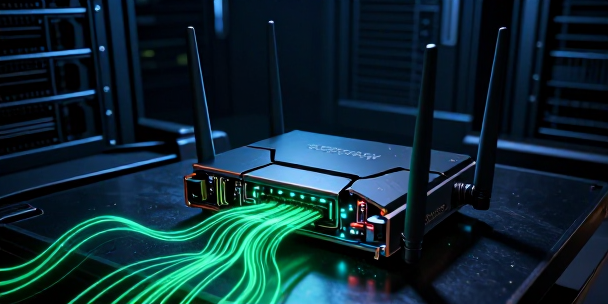
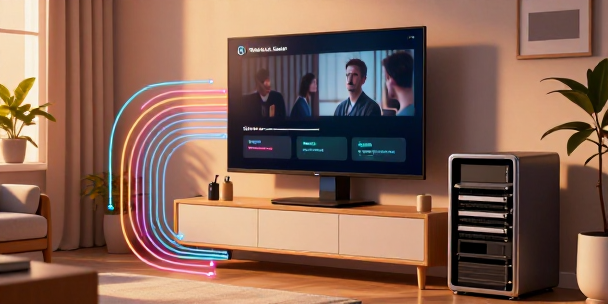
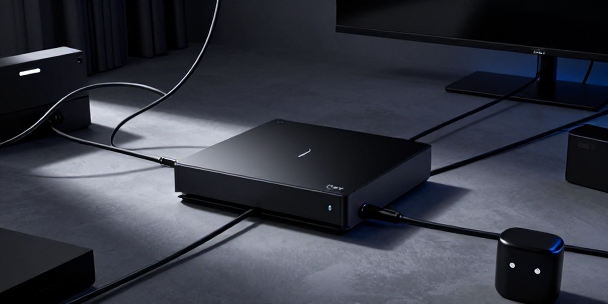
My setup is moving toward a completely headless network model where the main PC does not handle any AI processing at all. I have been testing this by routing local API calls from my development environment directly to a quiet node next to the router. My wife does not even notice the extra box sitting on the shelf, which is the ultimate test of household technology friction.
It just works silently in the background.
The era of needing a massive gaming tower to do basic local development is officially over.





Leave a Reply