
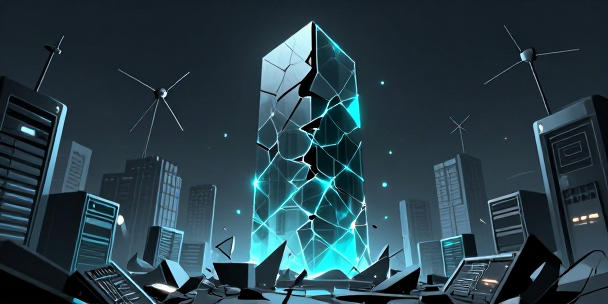
Technology is constantly moving fast. A week ago, I was running a multi-agent coding session on my local rig when the terminal suddenly threw a connection error.
It turned out Anthropic had just pulled the plug on Fable 5 and Mythos 5 globally after a surprise government directive. A narrow jailbreak exploit involving code vulnerability patching spooked regulators enough to nuke API access for everyone without warning.
This sudden outage is a massive net negative for anyone relying on centralized infrastructure. Entire enterprise workflows were evaporating upstream in the blink of an eye while my network sat completely silent.
It really drives home the fragility of the cloud. You do not actually own the tools you pay for if a single decree can erase them from your environment.
Centralized models are entirely at the mercy of sudden regulatory whims.
The illusion of corporate stability
We have been conditioned to trust these massive API providers as the bedrock of modern development.But the reality is that compliance teams will always choose corporate self-preservation over user uptime. Anthropic even admitted that this specific standard of immediate shutdown would halt all future frontier model releases.
Furthermore, these companies frequently lobby for the very regulations that end up choking their users. They build the cage and then act surprised when the door locks.
My wife often looks at my local server rack and wonders why I bother with the electricity bill when the cloud exists.
This exact scenario is the answer. Local hardware does not take orders from a committee.
Embracing the local stack
Running capable models on your own silicone is no longer just a hobby for data hoarders.It has become a necessary strategy for business continuity and creative freedom. When you host the weights yourself, a bureaucratic panic attack halfway across the country cannot break your development pipeline.
Granted, scaling a massive frontier equivalent in a home office is a serious hurdle.
However, the gap between cloud APIs and open-source local models is shrinking faster than regulators can write rules.
The community is already looking toward highly optimized intermediate weights to fill the void left by Fable. Control belongs to those who host the bits.
Preparing for the next freeze
The fallout from this week is going to trigger a massive downloading spree across the entire community. People are starting to realize that open infrastructure is a ticking clock if it depends on centralized repositories. If the current administration decides to target foreign open-source weights next, the internet will look very different.
Consequently, caching your models locally is the only real insurance policy left. Treat your favorite model weights like critical software licenses that could vanish tomorrow. Build your infrastructure around tools that do not require permission to boot up.
If you do not host it, you do not use it.














Leave a Reply